





Can Red Light Therapy Support the Immune System? We Take a Look at the Evidence
IN THIS ARTICLE:
- 01 The Immune System
- 02 What Is Red Light Therapy
- 03 Red Light Therapy and Strengthening the Immune System
- 04 How Quickly Will I Notice Improvements?
- 05 Red Light Therapy and Wider Wellness
- 06 Limitations of Red Light Therapy
When it comes to red light therapy, there’s plenty of talk about biohacking, longevity and enhancing our general wellbeing. But when it comes to immune system function, can red light therapy help? The answer is yes, but it’s also a little complicated. The immune system is a complex one, responsible for keeping us healthy. Red light therapy can come in to assist that, but it’s part of a larger network of ideal homeostasis and well-being habits.
What Is Your Immune System?
The immune system is a complex system that works to protect your body. Your immune system is vital, so proper functioning is key to keeping you free from illness and disease. It’s made up of various cells, tissues, molecules, and organs that all work together to protect your body and keep it functioning at its best. There are two main ‘branches’ of the immune system; how the two work is super complicated, today we’re just going to keep it simple and briefly explain:
Innate Immune System
The body’s fast-acting response to attacking common pathogens, such as viruses and bacteria, with barriers that stop pathogens from entering, but sometimes they sneak in. Macrophages — a type of white blood cell that lives in our tissue and is crucial for innate immunity — are first to respond, going through a process called phagocytosis, which is what is used to destroy pathogens. If the attackers are too much, the macrophages signal to get more help, which we know as inflammation.
Adaptive Immune System
An antigen-specific immune response. It’s slower to act and specialized, made up of T cells and B cells that are specific to an antigen. There are millions of these cells in our bodies, acting like an army that’s waiting to attack enemies they’ve been specifically trained to fight, and remember how to fight them for next time.
Since it’s such a crucial part of our overall well-being, it’s naturally something many people are cognizant of and want to protect — and even enhance. Unlike what you may hear, you can’t ‘boost’ your immune system. It’s a perfectly functioning system within the body, so the goal is to keep it working as it should rather than trying to boost it. Immune system dysfunction happens for a number of reasons, including illness, chronic stress and inflammation, age-related issues, nutritional deficiencies, and more.
What Is Red Light Therapy
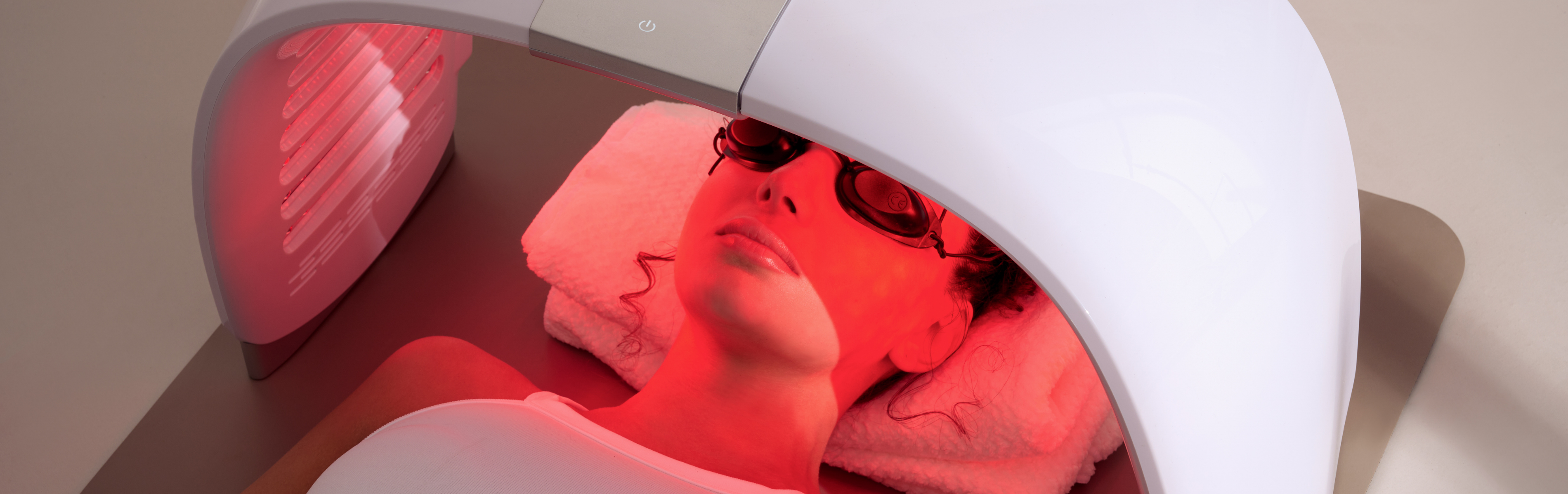
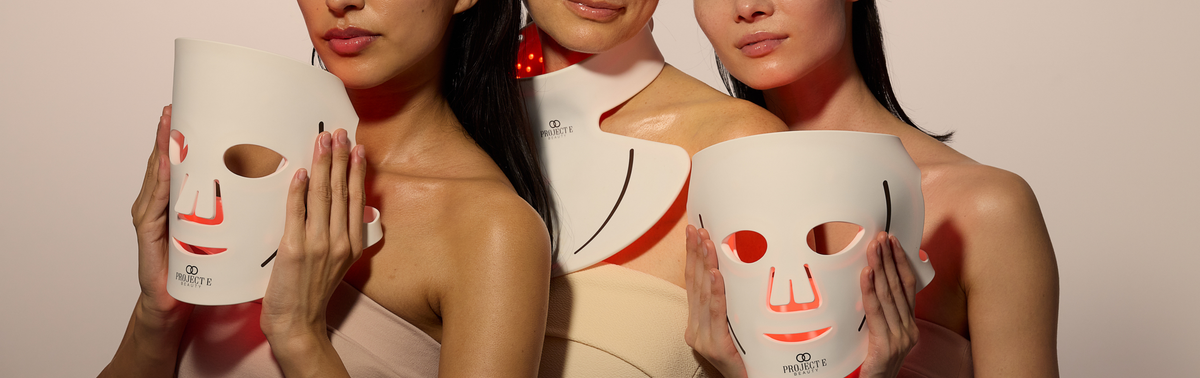
 Red light therapy, also known as low-level light therapy (LLLT), is a type of photobiomodulation (PBM) that uses specific wavelengths of light to deliver therapeutic benefits in a non-invasive format. This red light works to interact with and influence skin cells to trigger responses such as collagen production and inflammation regulation. When combined with near-infrared light therapy, effects can reach much deeper into the skin with more sustained therapeutic outcomes.
How Red Light Therapy Can Strengthen Your Immune System?
There are a few ways in which utilizing red light therapy at home on a regular basis can help the immune system function.
Increase cellular energy
Cells operating as efficiently as possible are key to a functioning immune system. Red light therapy, specifically with wavelengths at the 630-670nm range trigger increased ATP production. The mitochondria, the powerhouse cell, convert into adenosine triphosphate (ATP), which helps turbocharge many of the cellular processes in the body. If we’re unwell, our ATP can be significantly reduced.
Reduced oxidative stress
To understand inflammation in the body, we first need to look at oxidative stress. When the body is sick or under stress and lacking protective antioxidants, something called reactive oxygen species (ROS) is triggered. ROS is made up of unstable molecules that, in small amounts is helpful to the body in instances like fighting infection (crucial to the immune system). Antioxidants help to keep these molecules under control by neutralizing them. However, when ROS overpowers antioxidants' ability to neutralize, it causes an imbalance, leading to oxidative stress.
If this happens, the body then creates pro-inflammatory cytokines. Too much of this and inflammation is increased, which, over time, can damage healthy tissue. There are two types of cytokines in the body: pro-inflammatory and anti-inflammatory, and in order to maintain a good immune response, the body needs these to be balanced.
Pro-inflammatory cytokines heighten inflammation, which is great for fending off germs if balanced with anti-inflammatory, working together to suppress the inflammation and promote healing. Our body needs both, so ensuring that balance is key.
Red light therapy aids this balance by reducing excessive proinflammatory cytokines while increasing anti-inflammatory cytokines. In addition, red light therapy helps enhance the activity of antioxidant enzymes, playing a central role in immune cell signaling. All of this enables the body to balance inflammation and cellular health.
Inflammation regulation
We need inflammation for the immune system to function (the defence is a good thing), but too much inflammation can be a problem, too. It can damage tissues and cause skin barrier dysfunction. The key is balance. Red light therapy can both reduce pro-inflammatory cytokines while also increasing anti-inflammatory cytokines. This enables the body to continue protecting itself while helping reduce unhelpful chronic inflammation.
Regulation of inflammatory conditions
Earlier, we discussed a few different types of cells, specifically T cells and B cells. Studies are still ongoing, but it’s promising to see that near-infrared light has been shown to increase T cells. This is great news because T cells are part of that all-important army of cells in our innate immune function system, waiting to fight. For the skin, this acts as a first-response to maintaining the barrier and ensuring optimal wound healing, as well as the regulation of inflammatory conditions such as dermatitis.
Overall, LLLT has been shown to be helpful as part of a multi-modal approach (including nutritional supplementation) to optimizing immune function.
How Quickly Will I Notice Improvements?
The effects of red light therapy are cumulative, meaning it builds the more you do it over time. It’s something that you should do consistently to maintain results, just like you would with fitness. With the immune system function, there’s no strict timeline for results, as many factors (such as health status, age, and lifestyle) play into it. But vitality, energy, and general well-being are good indicators, and these subjective changes can occur after just a few weeks of use.
Red Light Therapy and Wider Wellness
Red light therapy and the immune system cause indirect benefits on our wider wellness, which has an overall positive benefit to our immune function. Many people report improved sleep, lower stress, faster recovery and pain relief, all of which play into the general perceived immune system function.

It’s important to remember that red light therapy isn’t a ‘miracle cure’, meaning you can’t skip your entire health and wellness routine and replace it with red light therapy. Instead, it should be used as a complementary part of your routine alongside other important habits like a healthy, colorful diet, regular exercise routine, good sleep hygiene, and soul-nourishing hobbies.
Limitations of Red Light Therapy
Red light therapy should act as a support for the immune system, rather than something that turbocharges it out of control; the key is balance.

Red light therapy should never replace medical interventions needed. Individuals with photosensitivity or in active cancer treatment should seek the advice of their medical professional. In addition, pregnant or breastfeeding women are advised to pause red light therapy treatments.
It’s difficult to overdo red light therapy, but the main takeaway is to think of it as immune support, not a replacement for other health habits.



Leave a comment
This site is protected by hCaptcha and the hCaptcha Privacy Policy and Terms of Service apply.